Introduction
Imagine returning to your home after a devastating fire or natural disaster, only to discover your insurance won’t cover the full rebuilding costs. This nightmare scenario affects thousands of homeowners each year who mistakenly believe their home’s market value equals its replacement cost. These figures can differ by tens or even hundreds of thousands of dollars, leaving families financially stranded when they need protection most.
This comprehensive guide transforms complex insurance concepts into actionable knowledge. We’ll walk you through professional appraisal methods, practical DIY approaches, and common pitfalls that could leave you underinsured. By the end, you’ll have the confidence to ensure your policy truly protects what matters most—your home and everything in it.
Understanding Replacement Cost vs. Market Value
Think of your home’s value through two different lenses: what it’s worth to a buyer versus what it costs to rebuild. Understanding this distinction is the foundation of proper insurance coverage.
The Critical Differences
Market value represents what someone would pay for your entire property—land, location, school districts, and current market trends combined. Replacement cost focuses solely on rebuilding your physical structure using similar materials at today’s construction prices, excluding land value.
Why does this matter? Because land typically survives disasters, while your home might not. Consider these real-world scenarios: A charming 1920s craftsman in a historic district might sell for $750,000 due to its character and location, but rebuilding it with modern materials could cost only $450,000. Meanwhile, a custom-built contemporary home with premium finishes might cost $600,000 to rebuild in a neighborhood where similar homes sell for $500,000.
According to the Insurance Information Institute, nearly two-thirds of American homes are underinsured by an average of 20%, primarily due to confusion between market value and replacement cost calculations. This translates to approximately $70,000 in uncovered costs for a $350,000 home.
Why Insurance Uses Replacement Cost
Insurance companies use replacement cost because their fundamental promise is to restore your home to its pre-loss condition—not to compensate you for neighborhood popularity or emotional attachments. This approach creates fair, consistent standards across different regions.
It also prevents two dangerous scenarios: underinsurance that leaves you unable to rebuild, and overinsurance where you pay for unusable coverage. The system protects both homeowners and insurers by basing coverage on actual rebuilding expenses rather than speculative market fluctuations.
Key Factors That Determine Replacement Cost
Rebuilding costs aren’t arbitrary—they’re calculated using specific factors that reflect your home’s unique characteristics and current construction realities.
Construction Materials and Quality
The materials used in your home create the foundation of replacement costs. Premium features like handcrafted hardwood floors, custom-built cabinetry, and natural stone countertops can increase rebuilding expenses by 40-60% compared to standard alternatives.
Create a “special features inventory” documenting unique elements that basic calculators might miss. Architectural details like coffered ceilings, custom millwork, or specialty windows often require skilled artisans whose labor costs far exceed standard construction rates.
Expert Insight: “In my 15 years as a certified residential appraiser, I’ve seen homeowners underestimate replacement costs by 30-40% when they fail to account for custom features. Something as simple as crown molding throughout a home can add $15,000-$25,000 to rebuilding costs that basic calculators miss.” – Michael Torres, Certified Residential Appraiser
Square Footage and Layout Complexity
While square footage provides the starting point, layout complexity often determines the final price tag. A straightforward rectangular home with conventional room layouts typically costs $150-$200 per square foot to rebuild.
Homes with multiple wings, unusual angles, or complex roof lines can reach $300-$450 per square foot. Multi-level homes generally cost 15-25% more per square foot due to structural requirements and construction challenges.
Home Type Cost Range (per sq ft) Key Factors Standard Ranch $150 – $200 Simple layout, basic finishes Two-Story Colonial $180 – $250 Multiple levels, standard features Custom Luxury Home $300 – $450 Premium materials, complex design Historic Restoration $400 – $600+ Specialty materials, skilled labor
Professional Calculation Methods
Insurance professionals use sophisticated systems that account for regional variations and specific home characteristics to determine accurate replacement costs.
Cost Estimating Software
Most insurers rely on specialized software like Marshall & Swift or CoreLogic that incorporates real-time local construction costs, labor rates, and material prices. These systems maintain extensive databases updated quarterly.
The software analyzes hundreds of variables, including regional economic conditions, material availability, and local building code requirements. After major weather events, these systems automatically adjust for anticipated construction cost spikes due to increased demand.
Industry Standard: The Marshall & Swift Residential Cost Handbook is considered the industry gold standard, used by 90% of property insurers according to the National Association of Insurance Commissioners. Their database tracks over 40,000 component costs across 360 geographic regions.
Professional Appraisals
For unique or high-value properties, professional appraisals deliver precision that software can’t match. Certified appraisers conduct 2-3 hour inspections, measuring every dimension and documenting construction quality with photographic evidence.
While costing $400-$800, professional appraisals prove particularly valuable for historic homes, custom builds, or properties with unusual construction. Many insurers accept these detailed assessments when setting coverage limits.
DIY Calculation Approaches
While professional methods offer superior accuracy, homeowners can use reliable approaches to estimate replacement costs and identify potential coverage gaps.
Online Calculators and Tools
Insurance companies and real estate platforms offer free replacement cost calculators that provide reasonable estimates based on your home’s basic characteristics. These tools typically request square footage, construction year, room counts, and quality level.
Use these calculators as preliminary tools rather than definitive sources. Compare results from multiple platforms—insurer calculators, real estate sites, and construction cost databases—to establish a realistic cost range for your situation.
Personal Experience: “After using three different online calculators that gave me estimates ranging from $350,000 to $420,000 for my 2,200 square foot home, I hired a professional who determined the actual replacement cost was $485,000 due to custom features the calculators missed. The lesson? Online tools provide direction, not definitive answers.”
The Square Footage Method
This straightforward approach multiplies your home’s total livable square footage by local construction costs. Find current rates through local building associations, real estate professionals, or online construction databases like RSMeans.
Remember to adjust for quality level and include all finished spaces—basements, attics, and converted garages. This method works best for standard construction but often underestimates costs for smaller homes and may miss unique features.
Common Calculation Mistakes to Avoid
Avoid these frequent errors that create dangerous coverage gaps and leave homeowners financially vulnerable.
Underestimating Local Construction Costs
Using national averages instead of local rates represents the most common and costly mistake. Construction expenses vary dramatically—rebuilding a home in San Francisco costs approximately 85% more than rebuilding the same home in Cleveland.
Research current local rates through multiple sources: local builders’ associations, recent construction permits, and regional cost databases. Factor in potential future increases, as rebuilding might occur years after policy purchase.
Data Source: The U.S. Census Bureau’s Construction Price Index shows construction costs have increased 3-5% annually over the past decade. This means a home insured for $300,000 five years ago may now cost $350,000+ to rebuild—a $50,000 coverage gap that could devastate your finances.
Overlooking Additional Structures and Features
Homeowners often focus exclusively on the main dwelling while forgetting detached garages ($25,000-$75,000), sheds ($5,000-$15,000), fences ($3,000-$8,000), pools ($30,000-$70,000), and outdoor kitchens ($10,000-$25,000).
Create a comprehensive inventory of all structures and features, including approximate replacement values. Walk your property with a camera, documenting everything that would need replacement after a total loss.
Structure Type Average Replacement Cost Coverage Required Detached Garage $25,000 – $75,000 Other Structures Coverage In-ground Pool $30,000 – $70,000 Other Structures Coverage Outdoor Kitchen $10,000 – $25,000 Other Structures Coverage Fencing (per linear foot) $20 – $50 Other Structures Coverage Garden Shed $5,000 – $15,000 Other Structures Coverage
Ensuring Adequate Insurance Coverage
Accurate calculations mean nothing if your policy doesn’t properly reflect them. These strategies ensure your coverage matches your needs.
Policy Endorsements and Riders
Standard policies often contain limitations that leave you underinsured. Extended replacement cost coverage provides 25-50% additional coverage above your dwelling limit—crucial protection when construction costs spike after disasters.
For valuable features, scheduled personal property endorsements provide specific coverage beyond standard limits. These riders insure unique items like custom built-ins, high-end appliances, or specialty flooring that basic policies might undervalue.
Expert Recommendation: “I always advise clients to include ordinance or law coverage, which pays for bringing your home up to current building codes during reconstruction. After a major loss, you might discover that rebuilding to modern standards costs 10-25% more than simply replacing what was there.” – Sarah Johnson, CPCU, Insurance Advisor with 20 years experience
Regular Policy Reviews and Updates
Replacement costs evolve with construction inflation, home improvements, and market changes. Conduct comprehensive insurance reviews annually and after any significant renovation.
Major kitchen remodels ($25,000-$75,000), bathroom upgrades ($10,000-$35,000), or room additions ($40,000-$150,000) can substantially increase rebuilding costs. Combine automatic adjustments with manual reviews for complete protection.
Action Steps for Homeowners
Transform knowledge into action with this practical checklist to secure your home’s financial protection:
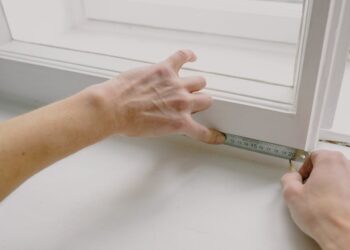
- Measure exact square footage using professional tools or apps, including all finished areas
- Create a digital “home features portfolio” with photos and descriptions of construction materials and special elements
- Research current local construction costs from at least three reliable sources
- Use both professional tools and DIY methods to establish a realistic cost range
- Review current policy limits with your insurance agent, asking specific questions about coverage limitations
- Discuss appropriate endorsements like extended replacement cost and ordinance coverage
- Schedule calendar reminders for annual policy reviews and after any home improvements
- Maintain updated records of renovations and a comprehensive home inventory in cloud storage
FAQs
You should conduct a comprehensive review of your home insurance coverage annually, and immediately after any significant home improvements, renovations, or major life changes. Construction costs typically increase 3-5% annually, so a policy that was adequate three years ago may now leave you underinsured by 10-15%.
Replacement cost coverage pays to rebuild or repair your home with similar materials at current prices, without deducting for depreciation. Actual cash value coverage pays the replacement cost minus depreciation, which could leave you with significantly less money to rebuild. Most experts recommend replacement cost coverage for adequate protection.
Yes, standard policies often have limits on certain categories of items and may not fully cover custom features. Consider scheduled personal property endorsements for high-value items and extended replacement cost coverage for custom architectural details. Document these features with photos and appraisals to ensure proper coverage.
Most policies include inflation guard protection that automatically increases your coverage limits annually, but these adjustments often lag behind actual construction cost increases. Combine automatic adjustments with manual annual reviews to ensure your coverage keeps pace with local construction inflation, which can vary significantly by region.
Conclusion
Accurately calculating your home’s replacement cost transforms insurance from a legal requirement into genuine financial protection. By understanding the crucial difference between market value and rebuilding costs, considering all relevant factors, and using appropriate calculation methods, you ensure your largest asset receives the protection it deserves.
Don’t wait for disaster to reveal coverage gaps. The time you invest today in reviewing your policy and consulting with insurance professionals pays infinite returns in peace of mind. Your home shelters more than possessions—it protects memories, dreams, and family. Ensure your insurance provides equal protection.